Aura colors and their meanings have fascinated healers, mystics, and ordinary curious people for centuries. Your aura is the electromagnetic field that surrounds and permeates your physical body, and its dominant hues shift in response to your thoughts, emotions, physical health, and spiritual growth. This guide covers every major color, what it signals when strong versus muddy, and how you can begin interpreting auras in your own life.
What an Aura Is and Why Color Matters
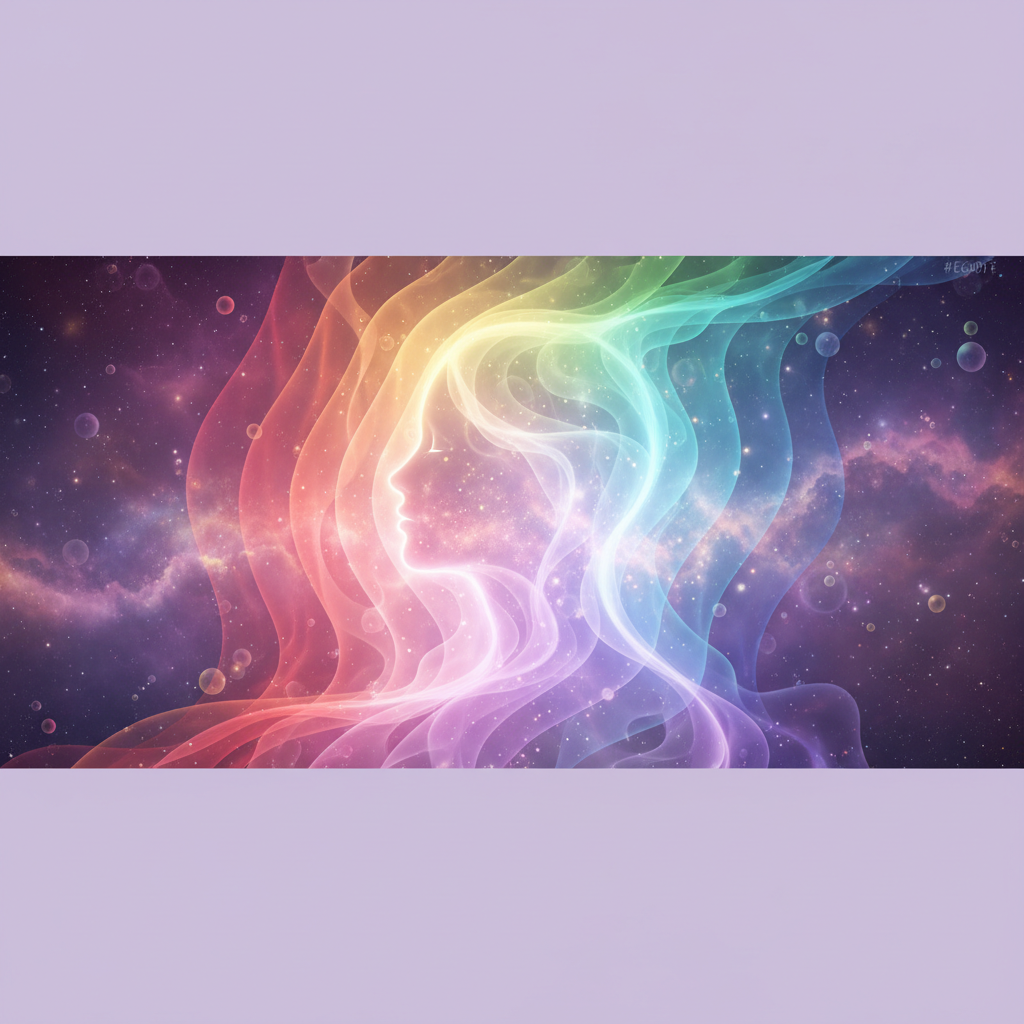
The aura extends several inches to several feet beyond the skin. Most traditions describe it in layers, each associated with a different aspect of being: physical vitality, emotions, mental activity, and spiritual connection. Color is the most immediately readable quality because it reflects the vibrational frequency of energy moving through those layers.
A bright, clear color signals that energy in that area is flowing well. A muddy, dark, or patchy version of the same color usually points to blockage, depletion, or unresolved tension. Learning to distinguish the two is the core skill in aura reading.
Red Aura Meanings
Red sits at the lowest frequency in the visible spectrum and connects directly to the root chakra. A vivid, clean red points to physical strength, passion, determination, and a grounded connection to the material world. People with strong red auras are often highly energetic, decisive, and comfortable taking action.
A dark or brownish-red, by contrast, can indicate repressed anger, fear, or a nervous system under strain. If you notice this shade in someone’s lower body field, they may be holding significant tension in the hips, spine, or adrenal system.
Key red aura traits:
– High physical vitality
– Strong willpower and drive
– Deep sensuality or sexuality
– Potential for temper when the color turns murky
Orange Aura Meanings
Orange links to the sacral chakra and governs creativity, pleasure, and emotional intelligence. A warm, glowing orange signals a person who relates easily to others, enjoys sensory experience, and expresses themselves with confidence. Artists, therapists, and social entrepreneurs often carry prominent orange in their field.
A dull or brownish-orange can flag emotional withdrawal, low libido, or creative blocks. Persistent orange mixed with grey sometimes appears during periods of grief or exhaustion.
Yellow Aura Meanings
Yellow corresponds to the solar plexus chakra. Bright, sunlit yellow belongs to analytical minds, natural teachers, and people with a well-developed sense of self. This color often shows up strongly in academics, researchers, and anyone who finds joy in learning.
A pale or washed-out yellow can reflect anxiety, particularly around self-worth or intellectual performance. Mustard yellow sometimes appears alongside a critical inner voice or a habit of overthinking.
Green Aura Meanings
Green sits at the heart of the spectrum and at the heart chakra. A clear, rich green signals emotional generosity, healing ability, and a deep love of growth, whether in nature, relationships, or personal development. Nurses, counselors, gardeners, and devoted parents frequently carry this hue.
Bright emerald green points to a healer with strong integrity. A darker, murkier green, particularly if streaked with yellow, can indicate jealousy, possessiveness, or a pattern of comparing oneself to others.
Blue Aura Meanings
Blue connects to the throat chakra and the domain of authentic communication. A clear mid-blue or royal blue signals someone who expresses truth clearly, listens deeply, and often serves as a calming presence in chaotic situations. Speakers, writers, singers, and mediators often carry strong blue.
Pale, washed-out blue can point to difficulty speaking up or a habit of suppressing important truths. Dark, heavy blue sometimes accompanies grief that has not yet been expressed.
Indigo and Violet Aura Meanings
Indigo and violet sit at the high-frequency end of the spectrum and relate to the third-eye and crown chakras. A strong indigo field suggests heightened intuition, perceptive pattern recognition, and an ability to read between the lines of social situations. Many natural empaths and psychically sensitive people carry this color prominently.
Violet signals spiritual awareness, visionary thinking, and a deep sense of connection to something larger than the self. When violet is particularly luminous, it often appears in people going through or having recently completed a significant spiritual awakening.
A muddy or oversaturated indigo can signal overwhelm from too much psychic input or difficulty grounding visions into practical action.
White and Gold Aura Meanings
White auras are relatively rare in their pure form and tend to appear in people who have done significant spiritual work. A clean white or silver field signals purity of intention, rapid vibrational change, or a strong link to higher guidance. It appears often during deep meditation, at moments of spiritual breakthrough, or in people with exceptionally strong healing gifts.
Gold, distinct from yellow, carries a richer, warmer quality. It signals divine wisdom, a protective quality, and a high level of spiritual integration. Teachers and healers who have moved beyond personal ambition into genuine service often radiate gold.
Pink and Magenta Aura Meanings
Pink sits between red and violet in the spectrum and blends their qualities: physical warmth with spiritual sensitivity. A soft pink signals romantic love, nurturing care, and a gentle disposition. People with pink auras are often highly compassionate and quietly perceptive.
Magenta is less common and signals a highly individualistic creative spirit, someone who operates outside conventional structures and finds original solutions to complex problems.
How to Read Aura Colors in Practice
You do not need to be psychically gifted to begin perceiving auras. The following approach works for most people with consistent practice.
- Stand your subject against a plain, neutral-colored wall with soft, natural light. Avoid harsh artificial lighting.
- Soften your gaze as you would when viewing a Magic Eye image. Look slightly past the person rather than directly at them.
- Notice any shimmer, color, or quality of light at the edges of their head and shoulders. This outer layer is often easiest to see first.
- Pay attention to which colors appear most strongly and where they concentrate on the body.
- Note any patches that look dense, dark, or absent compared to the rest of the field.
Practice on yourself in a mirror. Photograph yourself against a white background in natural light and examine the edges of the image; some people find subtle color shifts more visible in photos than in real-time viewing.
Keep a brief journal of what you observe each day and what was happening emotionally or physically at the time. Patterns will emerge over weeks.
Muddy versus Clear: The Key Distinction
Every color carries positive and challenging expressions. The clearest signal of a healthy aura is not which color appears, but how clear and evenly distributed it is. A bright, flowing orange is more favorable than a muddy purple. Depletion, illness, unresolved emotional conflict, and chronic stress all show up as murky, patchy, or asymmetric fields regardless of the underlying color.
When you notice a dim or uneven area in your own aura, treat it as useful information rather than something alarming. Grounding practices, time in nature, adequate sleep, and honest emotional expression tend to restore brightness relatively quickly.
When to Seek a Live Aura or Mediumship Reading
Reading your own aura has real limits. A practiced medium or aura reader can perceive layers and color combinations that are genuinely difficult to see in yourself, particularly those connected to emotional patterns you have not yet recognized. If you are going through a significant life transition, experiencing recurring emotional themes, or simply curious what your current field reveals, a live reader can help you interpret what this means for your own path and offer guidance rooted in what they directly perceive rather than general charts.
Aura Colors Change
One common misconception is that a person has one fixed aura color for life. In reality, the aura shifts constantly. Your dominant hue, the color that appears most reliably over time, does reflect deeper character, but daily emotional states, health, relationships, and spiritual practice all produce visible changes.
A red aura on a stressful Monday may carry heavy dark streaks that clear by the following weekend after rest and resolution. A person moving through grief may show predominantly grey or muted tones that gradually reintroduce color as they process and integrate the loss.
This dynamism is actually encouraging. It means the aura is a responsive system, not a fixed label.
Closing Thoughts
Understanding aura colors and their meanings gives you a practical vocabulary for energy that would otherwise remain vague. Red signals grounded vitality or suppressed anger. Green points to healing and growth. Violet marks spiritual awareness. The cleaner and more evenly distributed the color, the more freely that energy moves. Start with observation, keep notes on what you see, and trust that your perceptual sensitivity develops with time and attention. The aura is not mysterious for its own sake; it is simply information, and learning to read it is a skill like any other.
Frequently Asked Questions
What do aura colors and their meanings tell you about personality?
Each color in the aura corresponds to specific character traits, emotional tendencies, and areas of life. Red signals physical vitality and drive, blue points to communicative ability and calm, and violet indicates spiritual awareness. The color’s clarity matters as much as the hue itself; a bright color reflects flowing energy while a muddy shade suggests blockage or tension in that area.
Can your aura color change over time?
Yes, aura colors shift constantly in response to emotions, health, relationships, and spiritual practice. You likely have a dominant color that appears consistently and reflects deeper character, but daily states produce real variation. A person under sustained stress may show darkened or patchy hues that clear after rest and emotional resolution.
What does a green aura mean?
A clear green aura connects to the heart chakra and signals emotional generosity, healing capacity, and a genuine love of growth. People with strong green auras often work in caregiving or healing fields. A muddy green, particularly if streaked with yellow, can indicate jealousy or a habit of comparing oneself negatively to others.
How do you see someone’s aura?
Stand the person against a plain neutral wall in soft natural light. Soften your gaze and look slightly past their outline rather than directly at them. Most beginners first perceive a subtle shimmer or light quality at the edges of the head and shoulders. Consistent practice and journaling your observations builds the skill steadily over weeks.
What does a white or gold aura mean spiritually?
A pure white aura is relatively rare and signals high-frequency spiritual energy, purity of intention, or a period of rapid transformation. Gold carries a richer warmth and points to divine wisdom and a high level of spiritual integration, often appearing in teachers or healers who operate from genuine service rather than personal ambition.
Leave a Reply